
The Mate Ritual in Argentina: Meaning, Preparation, and Curiosities
Mate is not just a beverage — it’s a symbol of gathering, friendship, and hospitality in Argentina. This daily ritual goes beyond simply drinking an infusion: it’s about sharing a moment, a conversation, and a tradition passed down from generation to generation.
Although mate is popular in several South American countries, in Argentina it reaches a unique cultural dimension. Regardless of social class, age, or place, mate is always present — whether in a city home, a park, or on an estancia that welcomes travelers with this warm gesture.
The Origin of Mate in Argentina
Mate originates from the indigenous Guaraní cultures, who used the leaves of the yerba mate plant (Ilex paraguariensis) as an energizing drink and a symbol of hospitality. They used it not only as a beverage but also as currency and a sacred offering.
This tree is native to the Misiones Rainforest and can reach heights of 12 to 16 meters in the wild. The leaves were harvested, dried, and ground to prepare the infusion in natural gourds.
With the arrival of the Spanish, the tradition of drinking mate spread and became integrated into the daily life of the Creole population. Later, the Jesuits introduced its cultivation in their Guaraní missions. Since then, mate has become an essential part of Argentine culture.
The Meaning of the Mate Ritual for Argentines
From its origins, mate has crossed all social boundaries, uniting and leveling people: it was consumed by the wealthy and the poor, masters and slaves, natives and Spaniards, men and women, young and old. It was even shared between individuals of different social positions, such as slave and master.
Beyond being a drink, mate represents a social act. It’s shared in a circle, with each person taking their turn as the “cebada” (serving) passes from hand to hand. This gesture symbolizes trust and equality among those participating.
At estancias and lodges, mate is often offered as a welcome greeting, accompanied by friendly conversation and landscapes that invite relaxation and disconnection.

The Ritual of Mate in Argentina
Mate is rich in antioxidants and nutrients. It also contains vitamin B, potassium, and magnesium, which help reduce cholesterol and triglycerides. In addition, it strengthens the immune system, helps with weight management, boosts energy, and improves concentration.
Personally, I used it while studying for university exams, and it was very effective. This is thanks to the xanthines it contains, which enhance concentration and mental clarity.

Types of Yerba and Their Characteristics
There are different varieties of yerba mate, each with its own flavor and aroma characteristics:
How to Prepare a Good Mate in Argentina
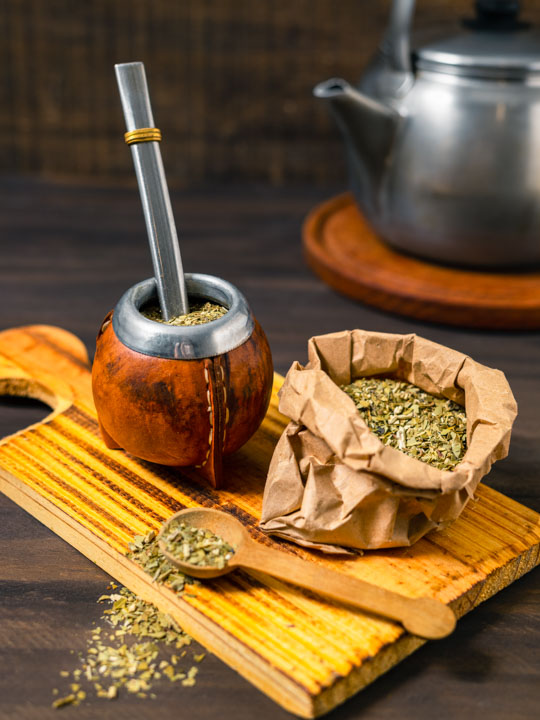
Preparing mate follows a specific ritual, and each “cebador” (person who prepares the mate) has their own technique. However, the basic steps are:
- Choose the yerba: Different types vary in bitterness and intensity.
- Fill the gourd: Fill the mate gourd up to ¾ of its capacity.
- Form the slope: Tilt the gourd so the yerba settles on one side.
- Moisten the base: Pour a little warm water where the yerba is lower.
- Place the bombilla (metal straw): Once the yerba swells, insert the bombilla into the moist area without moving it.
- Pour hot water: The water should never boil; the ideal temperature is between 75 and 80°C (167–176°F).
- Avoid soaking all the yerba: Pour the water as close to the bombilla as possible to preserve the flavor for longer.


Curiosities and Traditions Around Mate
The word mate comes from the Quechua word matí, meaning gourd, since the original container was made from this vegetable’s shell.
Although mate was consumed across all social classes, differences appeared in what was added to the infusion and the items used to drink it. Noble families added milk, cream, cinnamon, or cloves. The more elaborate and ornate the mate set, the more elegant it was considered.
It’s traditional not to thank the person offering mate, as saying “thank you” signals that you don’t want any more.
The mate circle should always follow the same order, without skipping anyone.
Choosing sweet or bitter mate is a personal preference, although bitter mate is the traditional favorite.
In Argentina, mate is consumed in 98% of households. In the country’s northeast, about 70% of people prefer to drink tereré (cold mate). Interestingly, Syria is the largest importer of yerba mate in the world.
Mate at Argentine Estancias
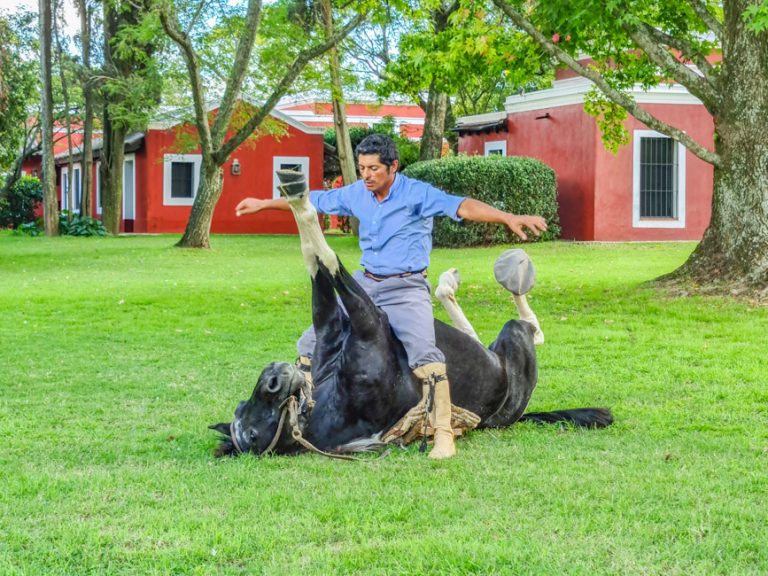
During your stay at an estancia or lodge, don’t hesitate to request a demonstration of the mate ritual — it’s an essential part of the experience. Hosts usually greet visitors with a hot mate and share stories about the tradition while enjoying the rural surroundings.
Whether under the shade of a centuries-old tree or by a fireplace in winter, mate always brings warmth and connection.
Ya sea bajo la sombra de un árbol centenario o junto a una chimenea en invierno, el mate siempre acompaña y crea un ambiente de calidez y conexión.
Myths and Legends Surrounding Mate
According to legend, Yarí, the goddess of the Moon, and Araí, the goddess of the Clouds, descended to Earth to admire everything created by Tupá, the supreme god of the Guaraní people. During their walk, a jaguar attacked them, and they were saved by a kind-hearted man. In gratitude, the goddesses planted seeds in front of Tupá’s home and appeared to him in a dream, saying: “Tomorrow, when you wake, you’ll find a new plant called caá; with its toasted and ground leaves, you will prepare a drink that brings hearts closer together.”
Another legend from the book “Legendas de mi Tierra” tells that when God created the gaucho, He gave him a humble hut, a woman for companionship, a horse to travel great distances, a dog for protection, a lark to cheer him, and a guitar to sing. The gaucho thanked Him but replied: “The hut may collapse, my woman may leave, the horse and dog will age, the lark may fly away, and I may not always feel like playing the guitar. Please, Father God, give me a faithful, quiet, sincere friend for every moment of my life.” And so, God gave him mate.
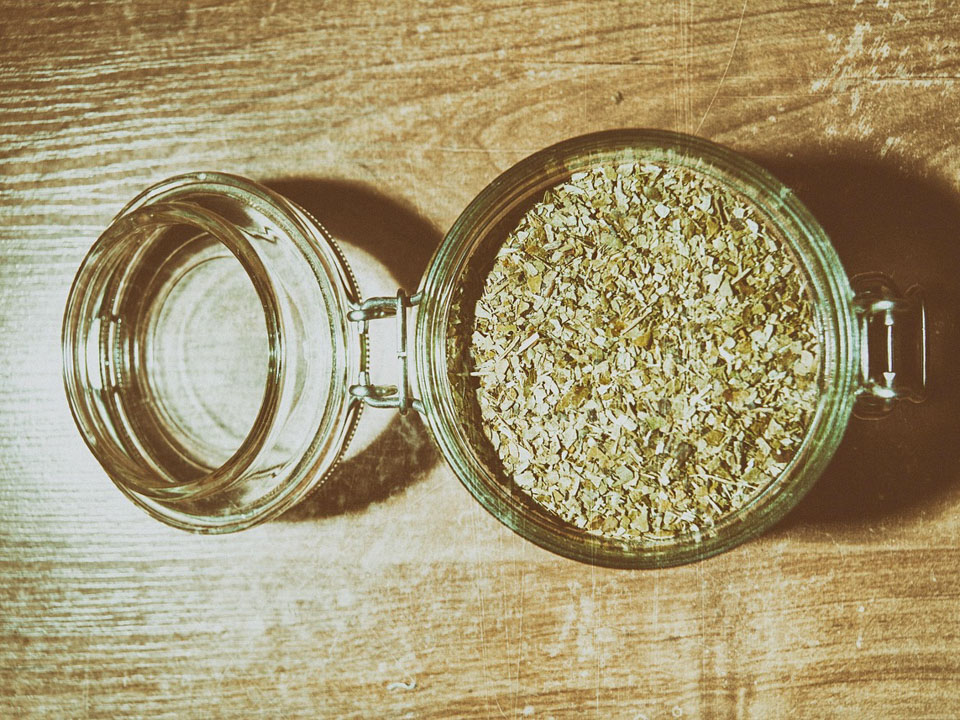
Tradition also says that if mate or yerba is spilled, it means the gods are trying to communicate with the person drinking it. Even today, many believe it’s a sign that something important is about to happen.
Argentina’s Día Nacional del Mate
In 2013, the Argentine Congress declared mate the country’s “national infusion.”
However, it was on November 30, 2015, that National Mate Day was celebrated for the first time. This date was chosen to commemorate the birth of Andrés Guacurari y Artigas, a Guaraní leader who became one of the first federal leaders of the United Provinces of the Río de la Plata and the only Indigenous governor in Argentina’s history. He promoted the production and distribution of yerba mate.
Where to Try Mate During Your Trip to Argentina
Workshop in Recoleta, Buenos Aires:leta en la ciudad de Buenos Aires: At Matea, Aromas y Sabores, a stylish space dedicated to Argentina’s most famous infusion. You’ll learn about its origins, discover its discoverers, different forms of consumption, historical and cultural relevance, and taste different types of agroecological and smoked yerba. Tastings are paired with Argentine sweets such as medialunas, homemade alfajores, and cheese scones or chipá.
Small-group tasting to become a mate expert in Buenos Aires: Yerba Mate experts lead this tasting workshop in the Las Cañitas area of Palermo. They explain the infusion’s origins, production process, properties, types, and levels of consumption in Argentina and worldwide. You’ll learn how to prepare the perfect mate and receive a diploma for your participation.
As you can see, mate is much more than a drink — it’s a cultural experience, a symbol of hospitality, and a bridge between generations. Don’t miss the chance to enjoy this ritual during your next visit to an estancia and discover why, for Argentines, sharing a mate means sharing a piece of their heart.