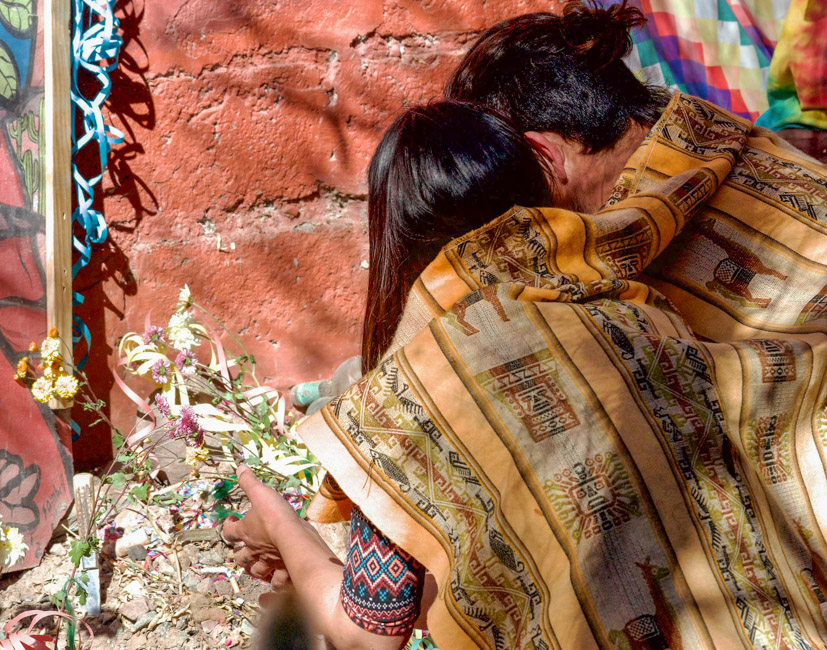
The Pachamama Day in Argentina
What is the Pachamama Day?
Pachamama Day, also called Pachamama Raymi, is a traditional Andean celebration held in Argentina in honor of the Andean deity Pachamama or Mother Earth.
It is a series of rituals and ceremonies performed within the Aymara and Quechua culture of northern Argentina to honor and venerate Mother Earth, understood as the most precious resource, since the obtaining of vital food for humans depends on her care.
It also underlies the idea that nature and the environment must be protected.
Where is Pachamama Day celebrated?
Pachamama Day is celebrated mainly in the Andean countries of Latin America, as it is the indigenous cultures that continue to this day to keep alive the tributes to Mother Earth.
Among the most prominent places are Bolivia, Peru, Ecuador, Chile and northwestern Argentina, where communities congregate to participate in ceremonies and rituals that honor Mother Earth.
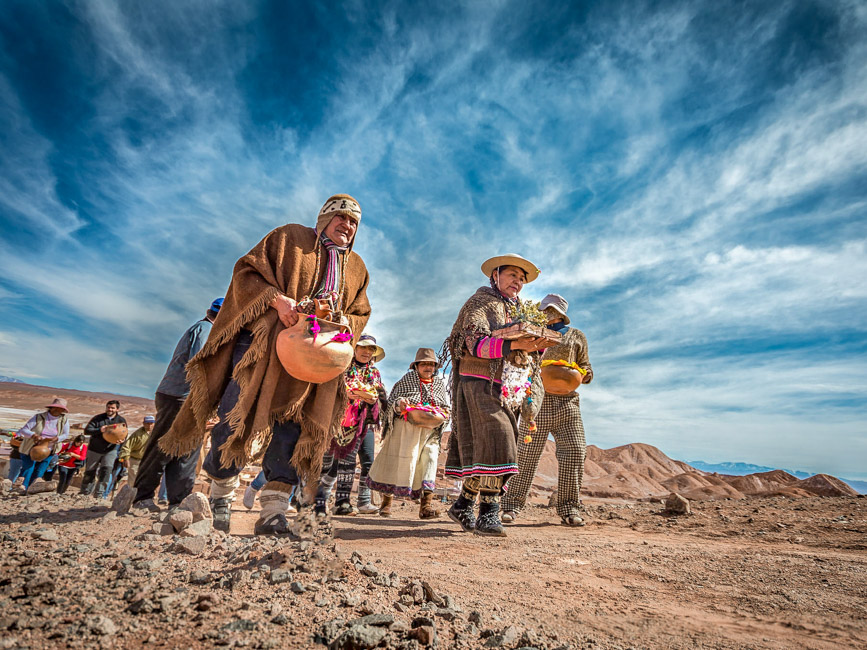
Where to celebrate Pachamama Day in Argentina
The best place to experience the rituals and tradition of the offerings to the Pachamama is in the Quebrada de Humahuaca, in Jujuy.
Other places in Jujuy where Mother Earth is celebrated are: Purmamarca, Tumbaya, Valle Grande and in all the communities of Jujuy’s Puna.
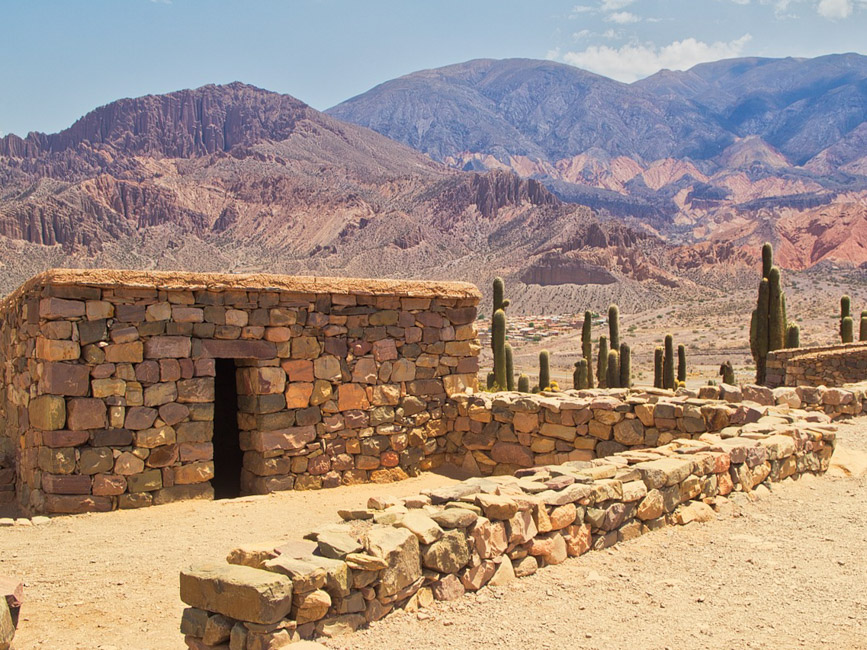
In Salta, the traditional Celebration of the Pachamama is held every year, in the area around the Artisans Fair in Parque San Martin. There are also celebrations in other places in Salta such as San Antonio de los Cobres, Cachi, in the Cerro Sagrado in the town of Tolar Grande, among other places.
Catamarca celebrates the Fiesta de la Pachamama in several villages of the province such as Laguna Blanca and Villa Vil in the department of Belén. In addition to the traditional rites, there is a gathering of troperos, coplas, traditional games and typical and regional food.
When Pachamama Day is celebrated
Pachamama Day is celebrated on August 1st to give thanks for good weather, abundance, animals and harvest.
This day is not a random choice, but marks the beginning of the rainy season in many regions, coinciding with the start of the agricultural cycle, and for this reason it is the date to honor Mother Earth.
Although the main celebration is on August 1st, the thanksgiving continues throughout the month of August.
The Origin of the Pachamama Cult
According to Inca mythology, she is a goddess associated with the feminine and fertility, who offers her gifts to the harvest, and is considered the spirit of the Earth. It is a conjunction between the earth, understood as the ground, and nature, with a protective character that favors life.
The word Pachamama comes from Quechua and Aymara. “Pacha” means world, time, universe and place, while ‘mama’ means mother.
Rituals of the Day of the Pachamama in Argentina
1. The Challa or Corpachada Ritual
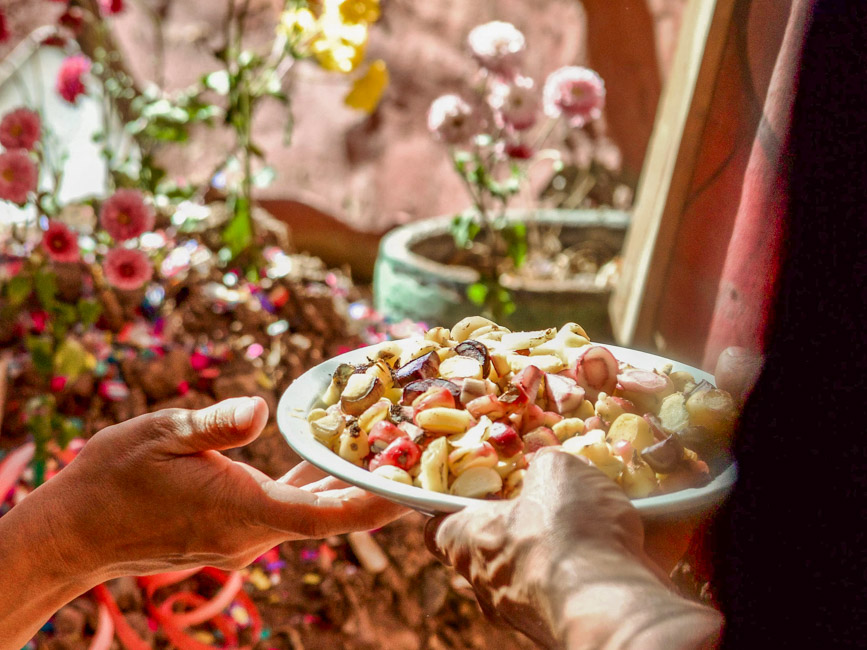
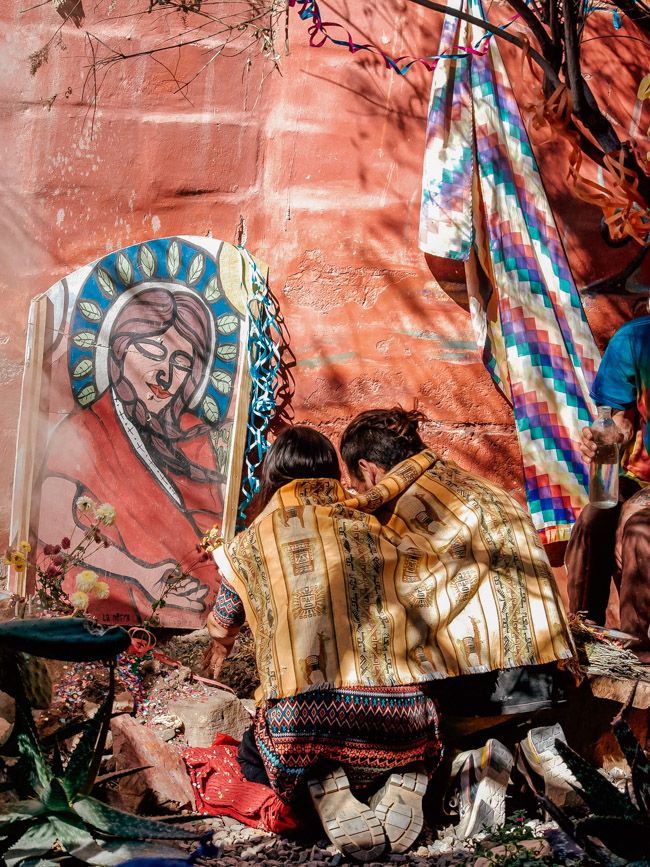
In the Challa ritual, a hole is dug in the ground, known as “the mouth of Pachamama”, where offerings are placed: coca leaves, corn, fruits, drinks such as chicha or wine, cigarettes, typical foods (such as empanadas or tamales) and sometimes small personal objects.
This offering is made in gratitude to Pachamama for the goods received during the year and to ask for protection and prosperity and as a way of giving back what was received.
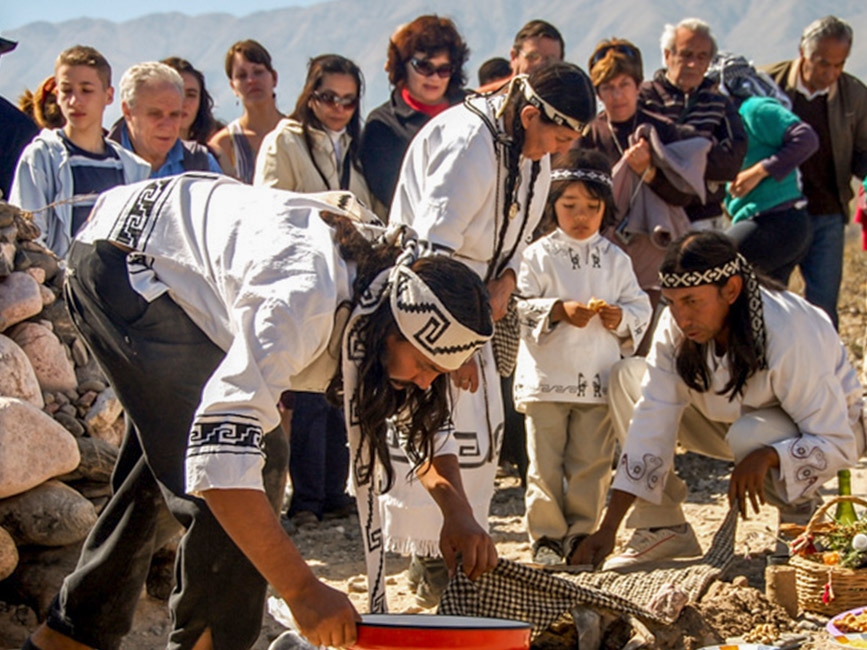
2. La Sahumada on Pachamama Day
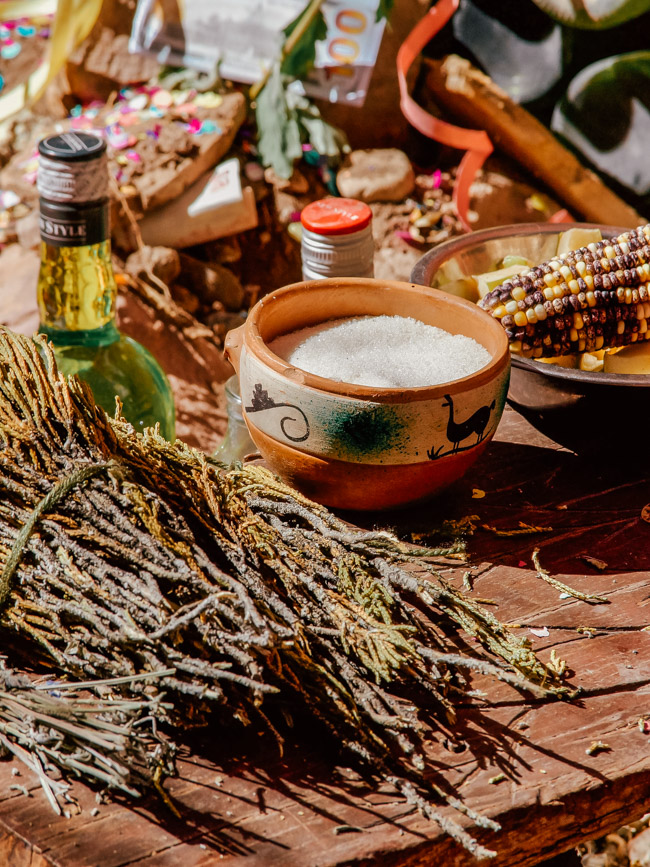
During the celebration of Pachamama Day, aromatic herbs such as incense, myrrh, rosemary or rue are burned in an incense burner. This smoke is spread around the house, the fields and among the participants to purify and drive away bad energies.
3. The Table of offerings as a cult to Pachamama
This ritual consists of setting up a table with different foods, drinks, coca leaves and other representative elements. It is a space where the best of the harvest and local cuisine is placed, as a sign of gratitude to the Pachamama.
Then it is shared with the community after the ceremony of Offerings as a cult to the Pachamama.
4. The ritual of drinking caña with ruda
Although this tradition did not arise as part of the celebrations of Mother Earth, it became one of the main rituals to celebrate Pachamama Day.
According to tradition, sugar cane with rue has medicinal properties and attracts health. It also brings joy and keeps bad luck away. However, if the tea of rue is very concentrated, the mixture with the cane can have some negative effects such as vomiting, nausea.
This beverage is contraindicated for pregnant women and children.
The ritual consists of taking 3 drinks: with the first one we pay homage to the Pachamama, with the second one we ensure good health and with the third one we attract luck. At the same time, it is necessary to say “kusiya, kusiya”, an expression that means “help me, help me”.
Ritual for the Pachamama in your own home
You can also easily make a ritual of gratitude to the Pachamama in your own home.
- The first thing is to find a suitable place, that is, a space that connects you with nature, in the garden. If you don’t have a garden, you can do it in a square near your house.
- Gather fresh food and drinks: fruits, vegetables, traditional foods, wine.
- Make a small pit to deposit the elements of your offering.
- Carefully place the food and drink in the well, while you make your intentions and give thanks for what you have received.
- Light a fire to burn the food and when there are ashes, cover the well with flowers.
- Finally, pray for protection and give thanks for what you have received or are about to receive, always keeping in mind your wishes for harmony with Mother Earth.
The Pachamama National Festival in Tucumán
While researching to write this article, I was surprised to discover that while the Day of the Pachamama is celebrated on August 1st, it is at the end of February when the National Pachamama Festival takes place.
This festivity, the oldest in Tucumán, now exceeds 75 editions and is celebrated in Amaicha del Valle. During the festival, Mother Earth is honored with shows that include singers, dancers and artisans, all dedicated to preserving and transmitting the cultural traditions of the region.
Such is the importance of this celebration that Tucumán’s tourism agency has declared it a festival of tourist interest. During the six days it lasts, thousands of visitors, both local and international, come to Amaicha del Valle to experience first-hand the customs and legacy of this community.