What Indian Dressage is and where you can see it
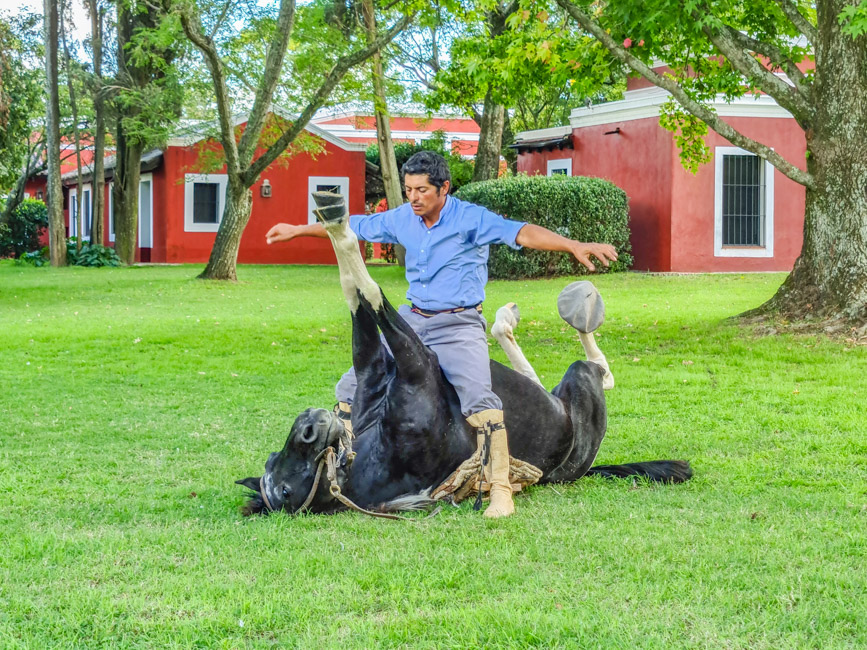
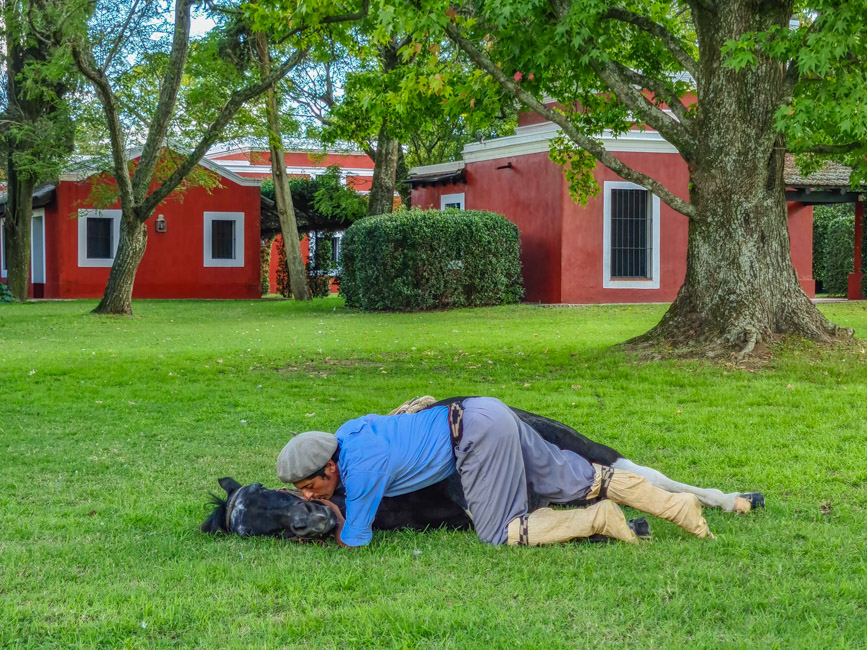
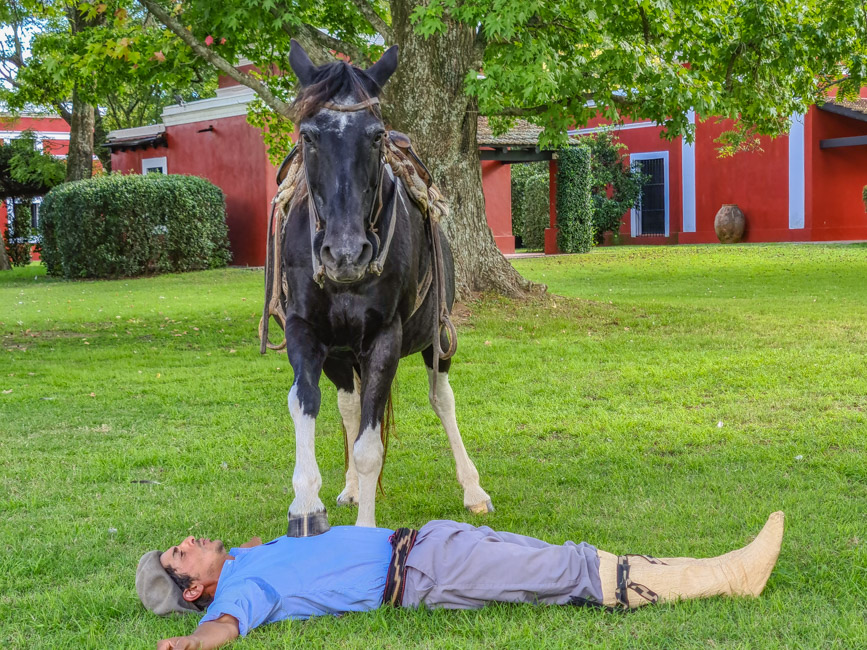
The estancias usually offer their guests a wide range of activities to get to know rural life. During our visits to some of them, we had the opportunity to witness the famous ‘Indian Dressage’ (Doma India in Spanish), an experience that will not leave you indifferent and that, if you like horses, you should experience some time in your life.
The Indian Dressage Method
Dressage is an educational process by which a horse becomes a specimen that can be ridden by a human being. In the case of Indian dressage, the method consists of doing it for a year, according to its nature, without causing it fear and pain, and gaining its trust and loyalty.
The first thing the trainer takes into account is that the horse, like any other living being, is unique and has its own character. As it cannot communicate with words, it has to interpret what is happening to it.
It is quite a similar way to communicate with the horse as they do with each other. The way they play when they are foals, where they fight, they bite each other on the back. From those first moments, they are determining the place that each one of them is going to occupy in the herd.
Another very important issue they have explained to us, is that horses see humans as predators that will attack them and that is why their first instinct is to flee from danger. Here, the important thing is to be able to overcome this fear and to transmit confidence to the animal.
What is the difference between Indian dressage and traditional dressage?
The big difference is that gaucho or traditional dressage is based on the punishment of the horse. The aim is to dominate the horse using elements such as the lasso, the muzzle and the reins. It is also to immobilize it against the palenques and to put a saddle on it.
It is fair to say that each type of dressage has its ancestral methods, but over time they have all evolved to become more rational and non-violent.
In contrast, Indian dressage technique uses persuasion, patience and what each horse needs to be tamed. There is no rush.
Did you know that the Indian Dressage method originated in Argentina?
Traditional dressage had different versions in its origin in the Renaissance courts:
- The High Spanish School of Vienna (founded in 1572),
- The Portuguese School of Marialva (founded by Philip IV in the 17th century), and the
- The French Versailles (founded by Louis XIV in the 17th century) and, later, the Cadre Noir de Saumur.
But Indian Dressage originated in Argentina. The method was brought to Misiones from San Luis by the Scarpati family and is actually a very old practice used by the Ranqueles to interact with their horses.
Mr. Scarpati father got his teachings from a Ranquel Indian elder he met in his childhood, Don Cristóbal Luna. During the years they lived together, Don Cristobal passed on to him how the people of the Ranquel tribe, who lived in the San Luis area, tamed their horses.
Step by step of Indian Dressage
The work to achieve a connection with the animal begins when it is two or three years old.
In the first stage, which lasts about 20 days, the aim is to overcome the horse’s fear and mistrust through gentle approach movements, whispered words and caresses to start building the bond.
In the first days of Indian dressage, the horses are placed in a round pen where they can run freely, but always in the same place.
A second stage consists of working in the same space, so that he learns to obey the first commands: turn, stop, go back. And also the different rhythms: at the walk, trot and canter.
Finally, when the horse is ready, it can go out into the countryside to review what it has learnt.
Where to watch Indian Dressage in Buenos Aires
Many of the Estancias in San Antonio de Areco offer this experience. I suggest you this article to choose one of them.
Another option is to make an excursion from Buenos Aires, to live the Gaucho Experience in San Antonio de Areco.
Video of the Indian Dressage in the Bamba de Areco
As you can see, the Indian Dressage method requires a lot of patience and perseverance, as the horse is not forced to do anything but persuaded.
We had the opportunity to appreciate the relationship between trainer and horse. It is not a show… it is pure art. The perfect unity between gaucho and horse, and the absolute trust in the man who doesn’t hurt him but whispers to him…