Jesuit Estancias in Cordoba
The Jesuit Estancias were former agricultural establishments designed and administered by the priests of the Jesuit Order, located throughout the territory of the province of Córdoba in Argentina.
Córdoba was the capital of the Jesuit Province of Paraguay, which encompassed the present-day territories of Paraguay, Brazil, Uruguay, Bolivia and Argentina. The importance of its university, and of the estancias that supported it, transcended the boundaries of the region.
All the Jesuit estancias in Cordoba were abandoned when the Jesuits were expelled from the country by the 1767 Sanction of King Charles III of Spain. For a short time, the estancias were managed by the Junta de Temporalidades (Board of Temporalities) and then passed into private hands.
The architectural ensembles of each establishment and the Manzana Jesuítica in the city of Córdoba were declared a World Heritage Site by UNESCO in 2000.
The Jesuits opened six estancias in the Province of Cordoba:
- Caroya
- Jesús María
- Santa Catalina
- Alta Gracia
- La Candelaria
- San Ignacio (no longer exists)
The university and secondary school were nationalized a year later.
Each estancia has its own church and group of buildings, and a number of towns grew up around them. The Estancias Jesuiticas Trail is about 250 km long and is visited by thousands of tourists every year.
Jesuit Estancia of Alta Gracia
History of the Jesuit Estancia of Alta Gracia
The estancia has its origins in the land given to Juan Nieto, co-founder of the city of Cordoba, in 1588. Years later, in 1643, its owner joined the Society of Jesus, to whom he donated all his goods.
The characteristic of this estancia is that it was from it that the city of Alta Gracia was created, and it was in the middle of the centre of the city.
When the Jesuits were expelled, it had several owners, among them Santiago de Liniers. The last owner of the estancia was José Manuel Solares.
In 1968 the Argentine Nation expropriated the residence – which had been declared a National Historic Monument in 1941 and in 1977 – and inaugurated the museum.
The Jesuits created an agricultural, livestock and industrial establishment whose objective was to support what would be the first university in Argentina.
The estancia was composed of the Jesuits’ residence; the church; the obraje, where industrial activities were carried out; the ranchería, where the black slaves lived; the tajamar; the batán, a water-powered machine used to beat, degrease the hides and give consistency to the cloths; and the ovens to burn lime and cook tiles and bricks.
Things to do in the Jesuit Estancia of Alta Gracia
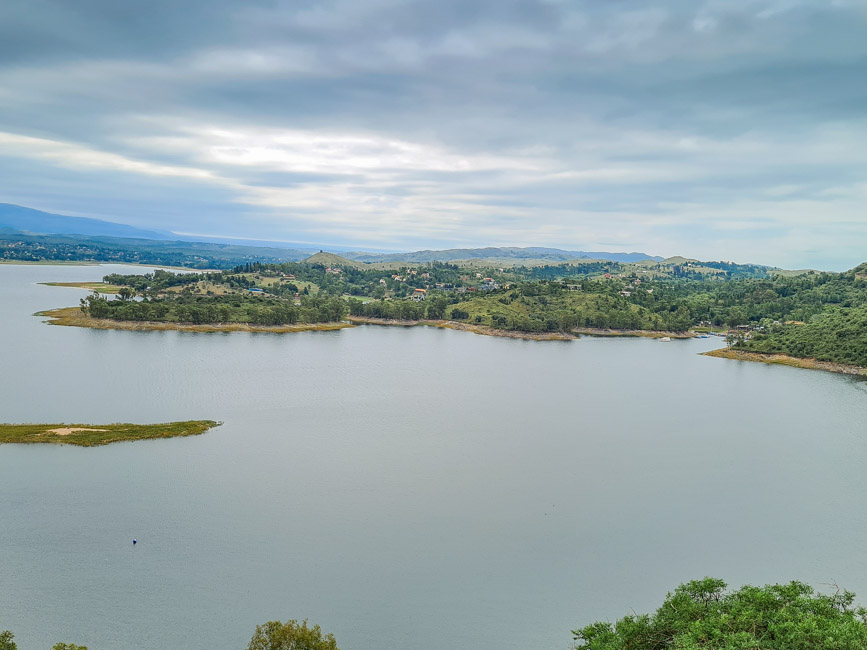
The church and the 17th and 18th-century residence are located around the Honour Patio.
The residence is built in the shape of an ‘L’ and is distributed over two floors: the rooms on the upper floor open onto galleries with semicircular arches and ribbed vaults, while on the ground floor, what was the storehouse and warehouse in Jesuit times, now houses the museum offices.
In the museum, you can find rooms decorated with furniture and objects representative of the different historical processes and ways of working in the estancia: serrano alcove, Liniers room, former refectory, bedroom and dining room from the 19th century.
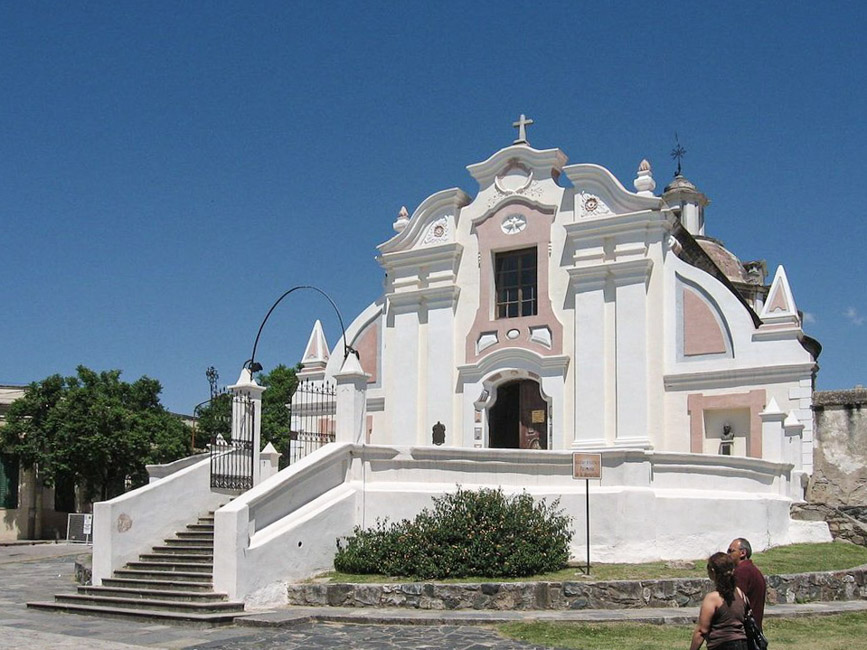
The church is an example of American Baroque. It is built as a single nave and is distinguished by the curvature of the walls that descend from the dome.
The tajamar is an 80 m long dyke, which at the time allowed the operation of two flour mills.
Excursions to Alta Gracia
The tour starts in Alta Gracia where you will visit the Tajamar, an artificial lake designed by the Jesuit monks, the Jesuit Museum and the parish of Nuestra Señora de la Merced. The tour includes a visit to the houses of Che Guevara and Manuel de Falla. The last stop in Alta Gracia is the grotto of the Virgin of Lourdes. In the afternoon, the visit continues in Villa Carlos Paz.
More information in this link.
If you only want to visit Alta Gracia, you can check this link.
Jesuit Estancia of Jesús María
History of the Jesuit Estancia of Jesús María
In 1618, the Jesuits bought the lands of the estancia of Jesús María. After their expulsion, Pío León bought the lands and plotted them.
The production of Jesús María was mainly dedicated to wine making, along with cattle breeding, weaving on looms and work in the orchard from which a great variety of fruits, vegetables and cereals were obtained.
On the ground floor was the cellar for storing the barrels and jars where the vines were fermented. The wine from Jesús María was first used to supply the Jesuit community and the rest was sold, with the proceeds being used to buy black slaves to work the vineyards.
During the first third of the 17th century, the Jesuits began the construction of the most important parts of the building: the refectory, eight rooms and a new wine cellar.
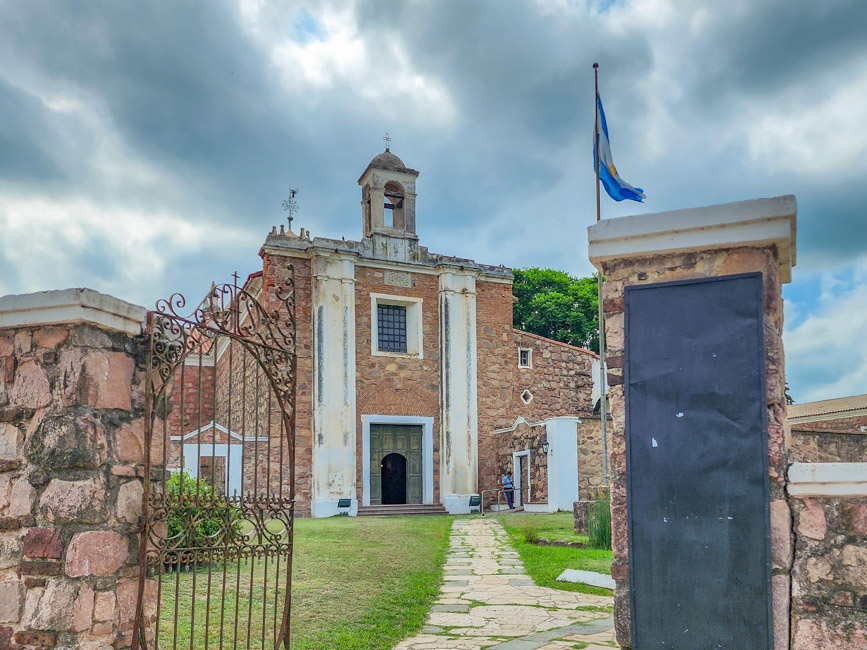
The spatial layout is in keeping with the usual type of Cordovan estancia buildings: the temple and the courtyard surrounded by galleries, in this case on two sides only.
The sanitary installations stand out, revealing the progressive character of the Jesuits, who included the bathrooms inside the buildings, with a sewage system through ditches.
In 1941, the National Commission of Museums, Monuments and Historical Places declared the old Estancia de Jesús María as a National Historical Monument, and the restoration works and enhancement of the building began.
Things to do in the Jesuit Estancia of Jesús María
The church has a baroque style with a Latin cross plan and is dedicated to San Isidro. The inner part of the dome has reliefs with four angels and four heads with native headdresses. The front was left unfinished.
It consists of a nave and a large transept, in contrast with a simple and poorly proportioned façade.
The residence has more than 1,600 covered metres, two floors leading to a square courtyard of honour with galleries with pillars and semicircular arches.
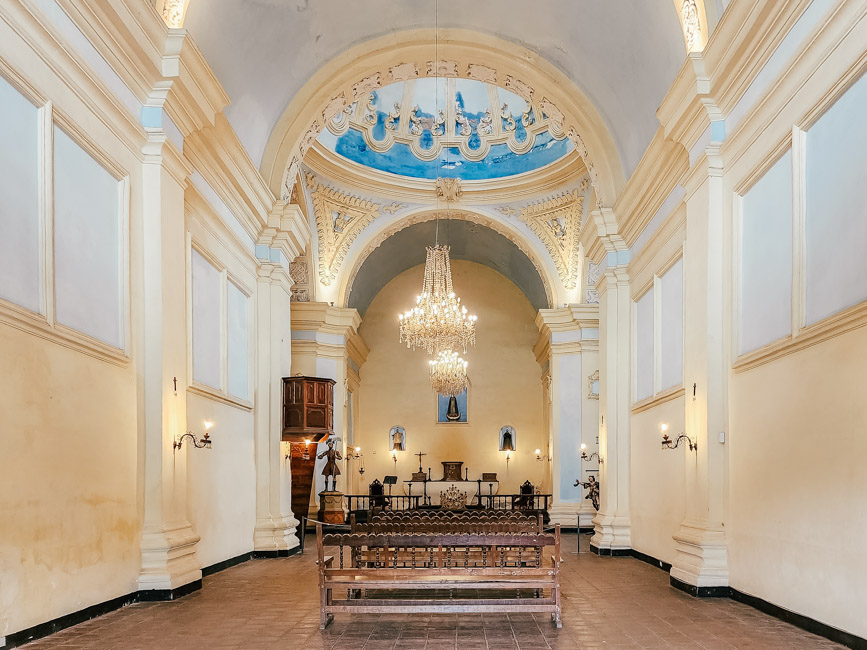
The National Jesuit Museum currently has 18 exhibition rooms, distributed between the ground floor and the first floor.
The museum’s collection is made up of objects dedicated to colonial sacred art from the 17th and 18th centuries and archaeological and ethnographic material from the northwest and central Argentina. There are also engravings and landscapes from different periods; a collection of coins and medals; a kitchen with a cooker and the pots and pans that served the Army of the North.
The park is dominated by the tajamar and the plane trees that offer an incredible spectacle with the golden colour of their leaves in autumn.
Excursions to Jesús María and Colonia Caroya
The first stop is in Colonia Caroya, where we visit the Estancia Jesuítica Casa de Caroya.
The second stop is in the city of Jesús María, where you will visit the Estancia Jesuítica de San Isidro Labrador, one of the most outstanding in the area.
More information about this visit in this link.
Jesuit Estancia of Santa Catalina
History of the Jesuit Estancia of Santa Catalina
Santa Catalina is located in a rural area where the natural environment has been preserved, 20 kilometres west of the city of Jesus Maria, and 70 kilometres north of the city of Cordoba.
The lands of this estate were originally granted to Miguel de Ardiles, who accompanied Jeronimo Luis de Cabrera in the foundation of Cordoba. In 1622, the owner sold all his lands to the Society of Jesus along with several heads of cattle.
At the time of the expulsion of the Jesuits, the estancia was in full operation. After a brief management by the Junta de Temporalidades, it was bought in 1744 by Francisco Antonio Díaz, who committed himself to keep the estancia in perfect conditions, a commitment that was kept by its descendants and current owners.
The estancia has been a National Historic Monument since 1941.
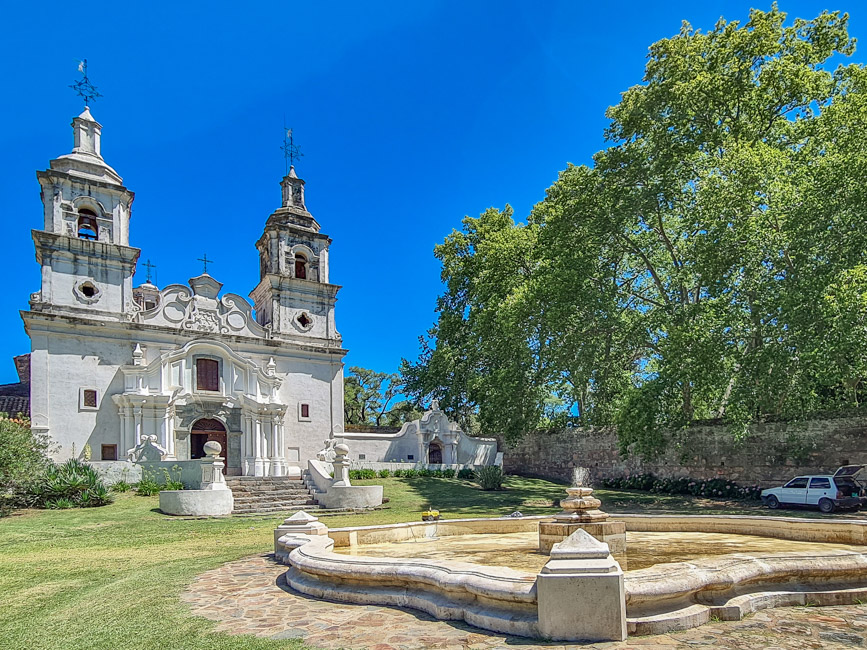
The Jesuits dedicated themselves to the construction of the church and estancia for more than a hundred years.
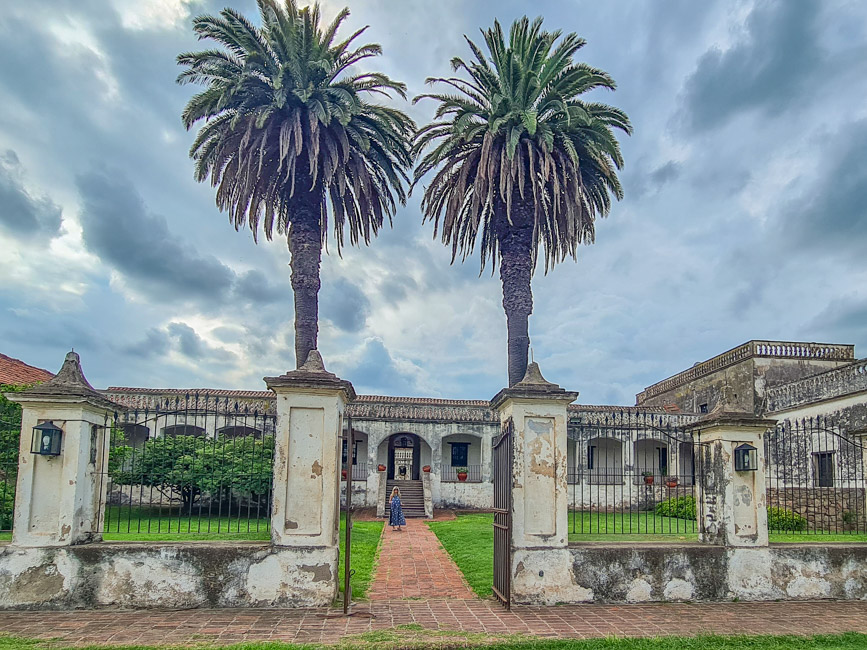
The Jesuit Estancia of Santa Catalina is a building complex made up of the church, the cloisters, the galleries, the courtyards, the workshops, the tajamar, the orchards and the rancherías, and constitutes one of the most valuable works of colonial architecture preserved in Argentina.
Due to insufficient water, the first great work of the Jesuits was hydraulic engineering: a set of underground conduits through which water was brought to the estate from Ongamira, several kilometres away in the sierras, and stored in a large tajamar.
Santa Catalina became a large agricultural production centre with thousands of cattle, sheep and mules, looms, a blacksmith’s shop, a carpentry shop and two mills.
Things to do in the Jesuit Estancia of Santa Catalina
The Jesuit Estancia of Santa Catalina is especially famous for its baroque church.
The façade is flanked by two towers and a curved portal. It has a single nave in the shape of a Latin cross and a circular dome with windows in the vault. In the large altarpiece of the main altar, carved in wood and gilded, there is a canvas representing Saint Catherine of Alexandria, patron saint of the estancia, and a polychrome carving of a crucified Christ.
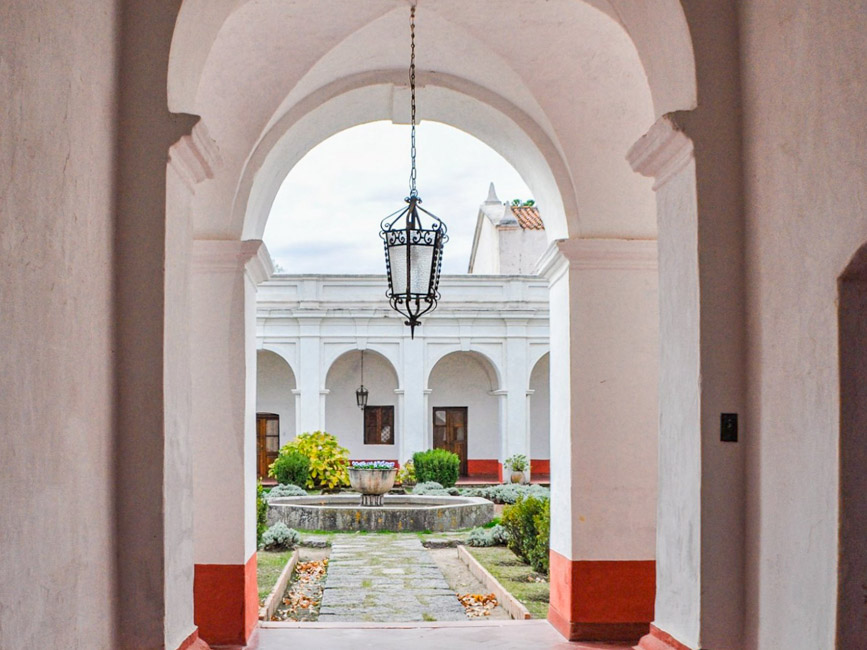
Next to the church, there is a small cemetery, which is accessed through a doorway with similar characteristics to those of the church façade.
The residence was later added to with cloisters around the courtyards, barrel-vaulted galleries, workshops, stables, storerooms, warehouses, vegetable gardens and ranches.
Jesuit Estancia of Colonia Caroya
History of the Jesuit Estancia at Colonia Caroya
The estancia is located on the western border of the locality of Colonia Caroya, and was the first one organized by the Society of Jesus in 1555.
In 1690, Presbyter Ignacio Duarte y Quiros, founder of the Monserrat College, bought the estancia and transformed it into a fertile land with corn and wheat production. He then donated the estancia to Monserrat College to help with its upkeep and for the use of boarding students during their holidays.
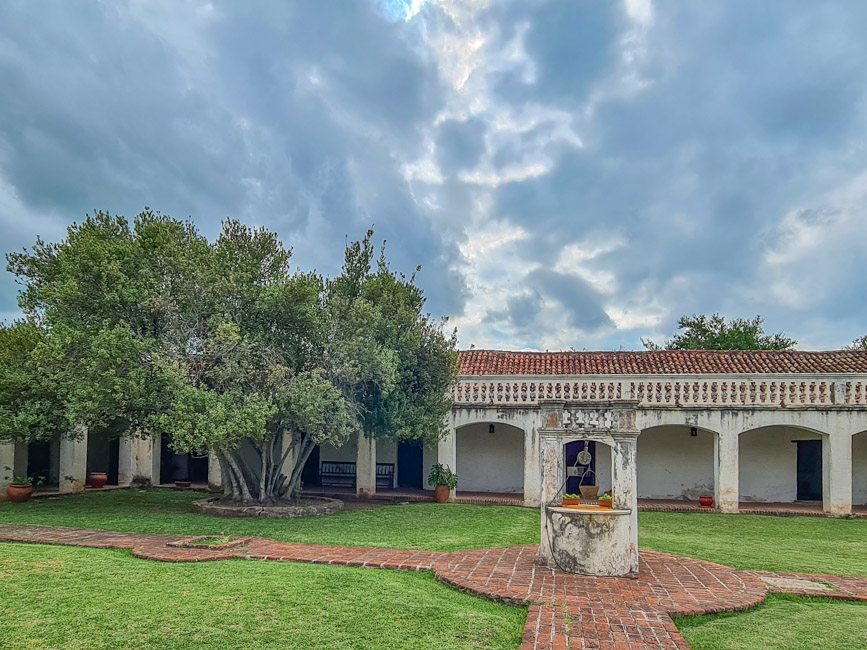
Between 1816 and 1934 it was the site of the first factory of white weapons during the Argentinean War of Independence, supplying bayonet points for the Army of the North.
In 1854, it became the property of the National State, which used it to house immigrants from the Friuli region in Italy. These settlers are the ones who started to organize the current estancia.
Things to do in the Estancia Colonia Caroya
The building complex of the Estancia Caroya maintains the original colonial structure with some modifications from the beginning of the XIX century.
The main residence is a square building with an interior courtyard. At one time it was occupied by several families and in very poor condition. It was restored to its former glory and opened to tourism.
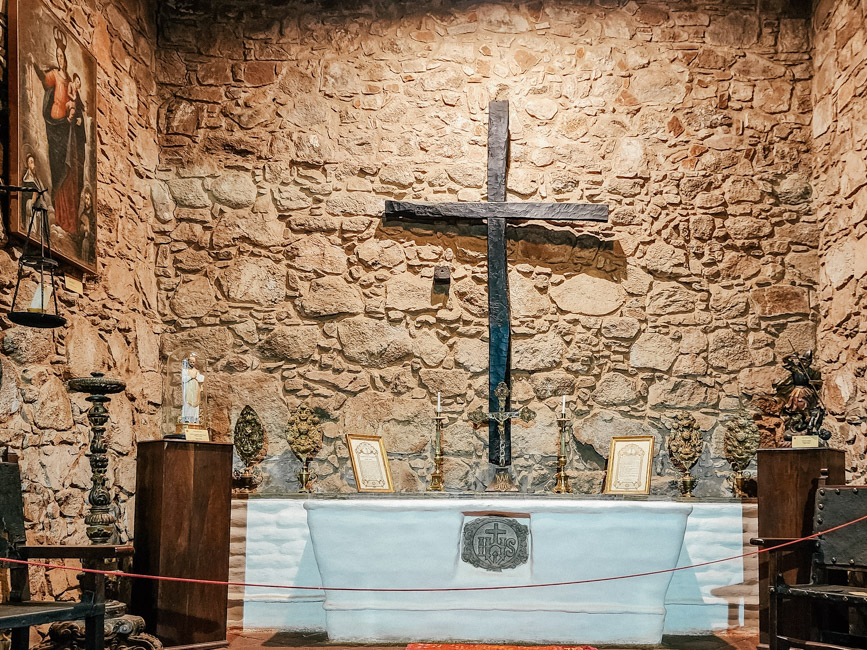
The chapel is from the 17th century, has stone walls and an image of the Virgin of Monserrat on the altar.
Tajamar and remains of the mill and irrigation ditches.
You can see Friulian art, with works by the residents of Jesús María, Colonia Caroya and Colonia Tirolesa.
Jesuit Estancia of La Candelaria
It is located in the middle of a mountainous area, in an undulating high plain called Pampa de San Luis, north of the foothills of the Sierras Grandes and 1,200 metres above sea level, in the Department of Cruz del Eje.
The Jesuit Estancia La Candelaria was declared a National Historic Monument by the National Commission of Museums and Historical Monuments and Places in 1941.
The lands were granted in 1619 to Captain García de Vera Mujica by the king. When he died, they were inherited by his son, who donated almost 55,000 hectares to the Society of Jesus. The Order also received other properties by donation, thus forming one of the largest extensions of land with a single owner.
The Jesuits settled next to the Guamanes River, enlarging the existing buildings and adding the estancia’s main house.
They were especially dedicated to the production of mule cattle to trade with Upper Peru.
The building complex is organized around a central courtyard, on one side of which is the church.
Things to do in Estancia La Candelaria
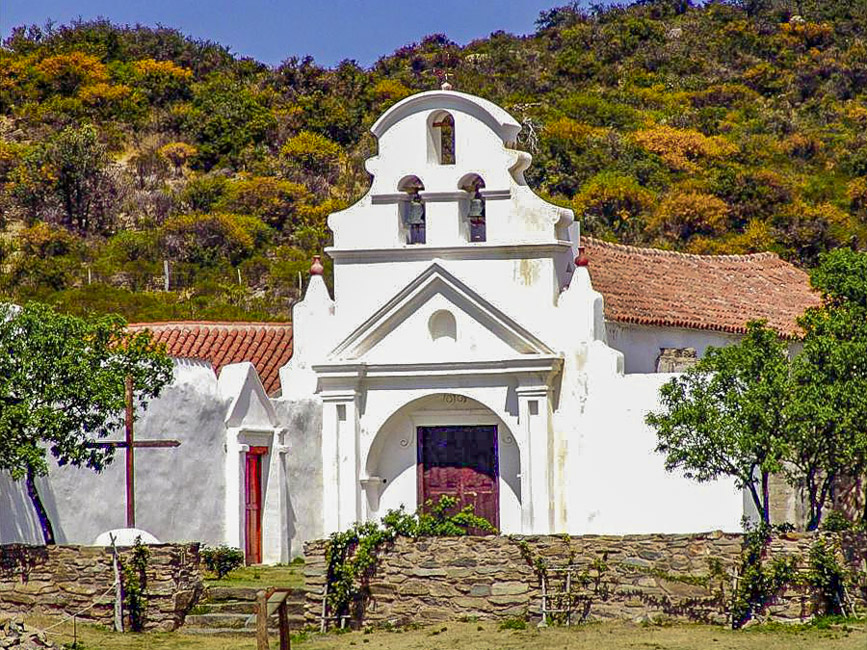
The church has a façade topped by a belfry with three openings from which the nearby sierras can be seen. The atrium is elevated and the carob tree main door stands out in a simple and well-proportioned façade. The choir and bell tower are reached by an external staircase in the main courtyard.
The building: it looks like a fort with a chapel because of its enclosed style in the form of a wall. The first side courtyard overlooks the church on one side and the rest of the convent’s rooms; the second courtyard overlooks the workshops and storerooms and then the oven, the tajamar and the vegetable garden.
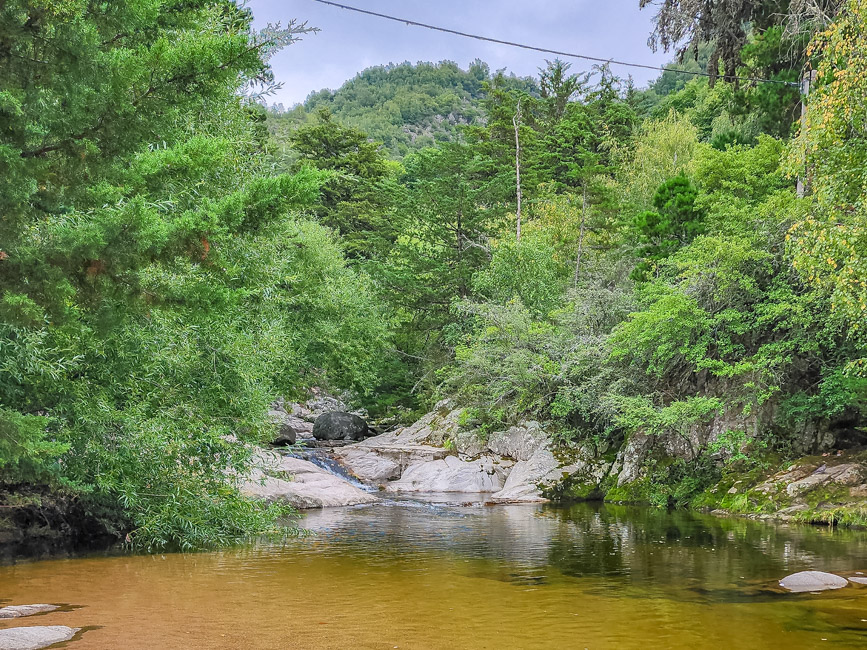
Excursion to the Jesuit Estancia of La Candelaria
Through the Sierras Chicas, crossing the pampas of Olaen, you will reach the Jesuit Estancia of La Candelaria. The tour includes a guided visit to learn about the legacy of the Society of Jesus and discover the architectural features of its main churches, chapels and oratories.
The tour continues through the Sierras Grandes where you can admire the massif of Los Gigantes and a brief stop in Carlos Paz.
More information on this link.
Jesuit Estancias Tour
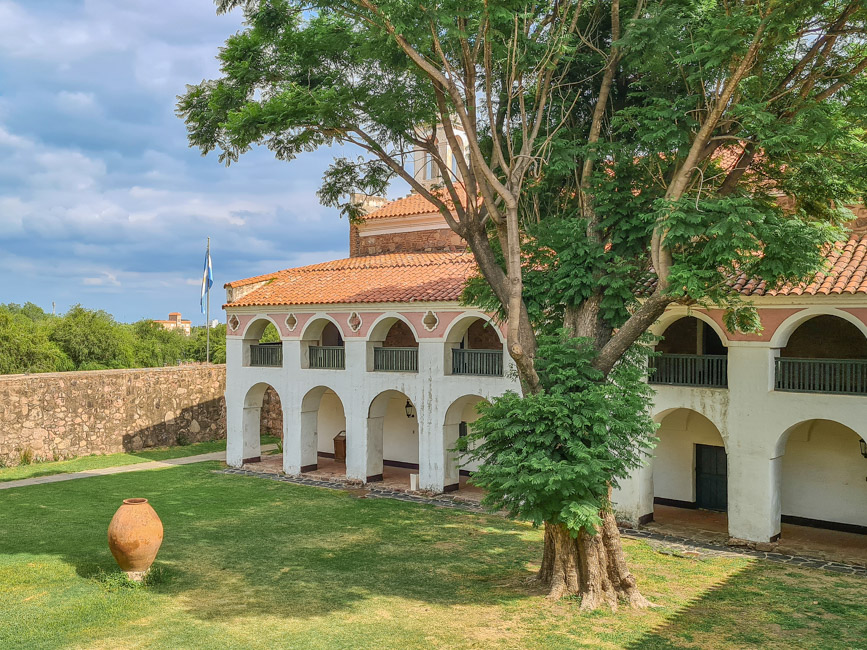
An ideal option for the Jesuit Estancias in the Province of Cordoba is this tour which starts at the estancia of Colonia Caroya.
Then the tour continues to the Jesuit Estancia of San Isidro el Labrador in Jesús María.
After passing through the Posta de Sinsacate, you will arrive at the Jesuit Estancia Santa Catalina, with its magnificent baroque church.
An ideal route to get to know these World Heritage jewels.
More information in this link.
Other itineraries in the Jesuit Estancias area
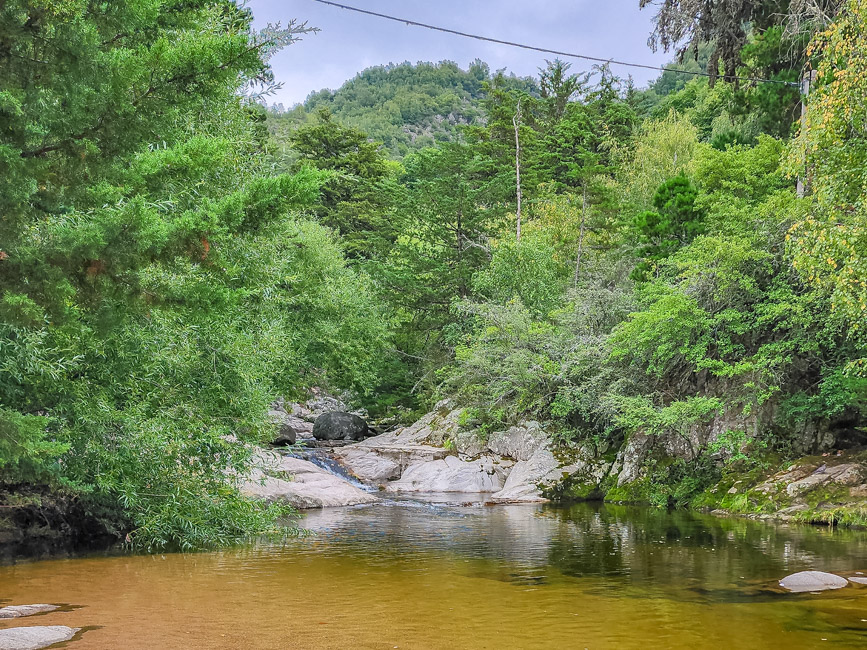
The estancia of Colonia Caroya, where Fray Luis Beltrán started the activities of the first factory of bladed weapons, is part, together with two other Jesuit Estancias, San Isidro el Labrador in Jesús María and Santa Catalina in Ascochinga; together with the Posta de Sinsacate (present museum of Brigadier General D. Facundo Quiroga), of one of the areas of greatest cultural and tourist interest in the Argentine Republic.
Nearby is Barranca Yaco, where Facundo Quiroga was assassinated, the Ongamira Valley and the Cerro Colorado, with its caves and cave paintings.
Tour of the Manzana Jesuítica in the city of Cordoba: It includes the Historical Museum of the National University of Cordoba (cloister, the Salón de Grados (old Chapel of the Spaniards) and the Main Library). Exterior view of the National College of Monserrat. Visit to the Church of the Society of Jesus, the Jesuit Domestic Chapel and the Jesuit Crypt of the Old Novitiate.