You Would Be Surprised by the Variety of Empanadas in Argentina
Who Brought Empanadas to Argentina
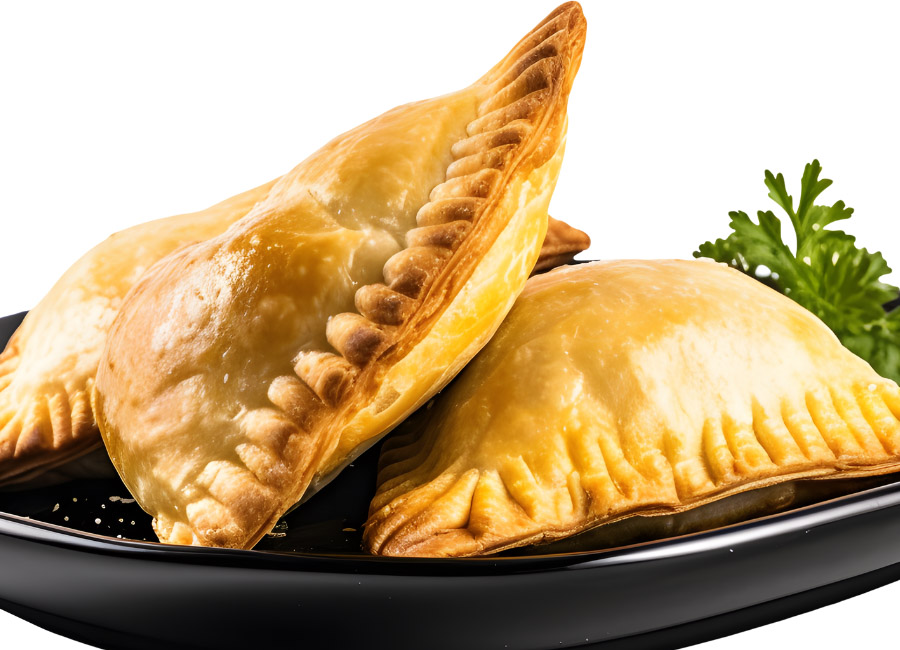
Empanadas were introduced to Argentina by the Spanish. Each region adapted them to their local ingredients and tastes. Today, every province has its variation, from Salteñas and Tucumanas to the lesser-known versions from Patagonia.
The earliest South American empanadas were made with dried llama meat -or charqui – in the Cordillera de los Andes around the 16th century. Over time, the fusion of American and European ingredients and flavours led to their spread across the continent, with each region crafting unique recipes based on local produce.
Argentina’s Best Empanada
Claudio Jaramillo, a 31 year-old from Esquel in Chubut Province, won the 2024 World Empanada Championship with his recipe featuring slow-cooked Patagonian beef and wine.
Empanadas differ by region, showcasing variations in ingredients and cooking methods.

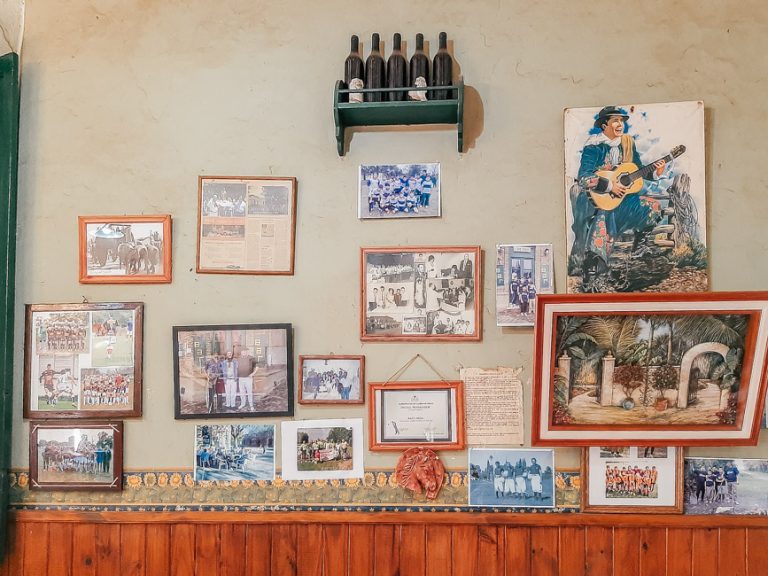
One of the places where you can enjoy exquisite empanadas is at one of the 5 famosas pulperías de San Antonio de Areco.
Here’s a list of some of the most common types of empanadas in Argentina.
Types of Empanadas by Region in Argentina
In Argentina, nearly every province has its own version of empanadas. From the Salteña empanadas with hand-cut beef to the Tucumanas with a hint of sweetness, the recipes vary based on local ingredients and traditions.
1. Empanadas Salteñas
- Filling: Hand-cut beef, potatoes, onions, boiled eggs, olives, and spices such as cumin and paprika.
- Distinctive Traits: Typically baked, very juicy, and noted for their cumin flavour.
2. Empanadas Tucumanas
- Filling: Beef or flank steak, spring onions, boiled eggs, and sometimes raisins.
- Distinctive Traits: Thin, crispy pastry. Famous for the National Empanada Festival held in Famaillá.
3. Empanadas Cordobesas
- Filling: Beef, onion, boiled eggs, with a unique sprinkle of sugar on the crimped edge.
- Distinctive Traits: A sweet-and-savoury combination.
4. Empanadas Jujeñas
- Filling: Beef, potatoes, onions, and ground chili. Sometimes includes charqui (dried meat).
- Distinctive Traits: Thicker pastry and a spicier flavour due to the chili.
5. Empanadas Santiagueñas
- Filling: Beef or goat, onions, paprika, chili, and boiled eggs.
- Distinctive Traits: Spiced and mildly hot, baked with aromatic seasonings.
6. Empanadas Catamarqueñas
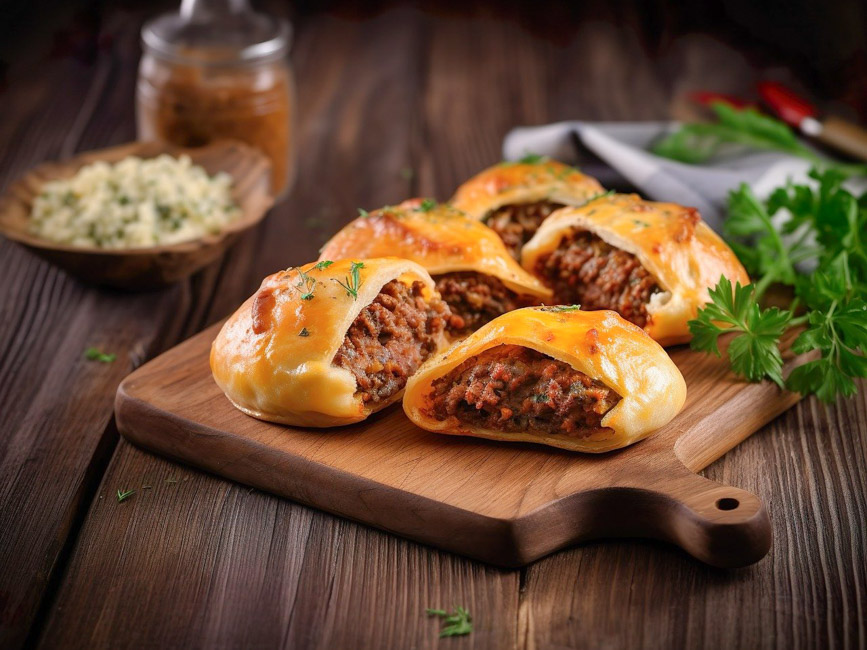
- Filling: Beef, potatoes, olives, onions, boiled eggs, and occasionally raisins.
- Distinctive Traits: Larger in size with a sweet taste similar to Cordobesas.
7. Empanadas Mendocinas
- Filling: Beef, onion, boiled eggs, olives, and sometimes a touch of wine.
- Distinctive Traits: Strong onion and paprika flavour, typically baked.
8. Empanadas Patagónicas
- Filling: Lamb, onion, and occasionally pine nuts or southern fruits..
- Distinctive Traits: Juicier with a smoky touch from the lamb.
9. Empanadas Porteñas (Buenos Aires)
- Filling: Minced meat, onions, boiled eggs, olives, and sometimes raisins.
- Distinctive Traits: Milder in spices, often fried.
10. Empanadas Cuyanas (San Juan, San Luis y La Rioja)
- Filling: Beef, onions, olives, boiled eggs, and plenty of paprika.
- Distinctive Traits: Pastry made with lard, imparting a distinctive flavour.
Each region adds its own touch to empanadas, making this traditional dish a deliciously diverse staple across the country.
Types of empanadas by filling and pastry
1. Meet Empanada
Filled with beef (minced or hand-cut), onions, boiled eggs, olives, and spices like cumin and paprika. Options include mild or spicy versions.
2. Ham and Cheese Empanada
Cooked ham and cheese, typically mozzarella or creamy cheese.

3. Onion and Cheese Empanada
Sautéed onions with melted cheese, often mozzarella or cuartirolo, sometimes with spring onions.
4. Chicken Empanada
Shredded chicken, onions, peppers, boiled eggs, olives, and spices. Occasionally includes raisins in some regions.
5. Caprese Empanada
Tomato, mozzarella, and fresh basil with olive oil.
6. Humita Empanada
Creamed sweetcorn with white sauce, cheese, and sometimes onions.
7. Tuna Empanada
Tuna, onions, peppers, olives, and boiled eggs.
8. Blue Cheese Empanada
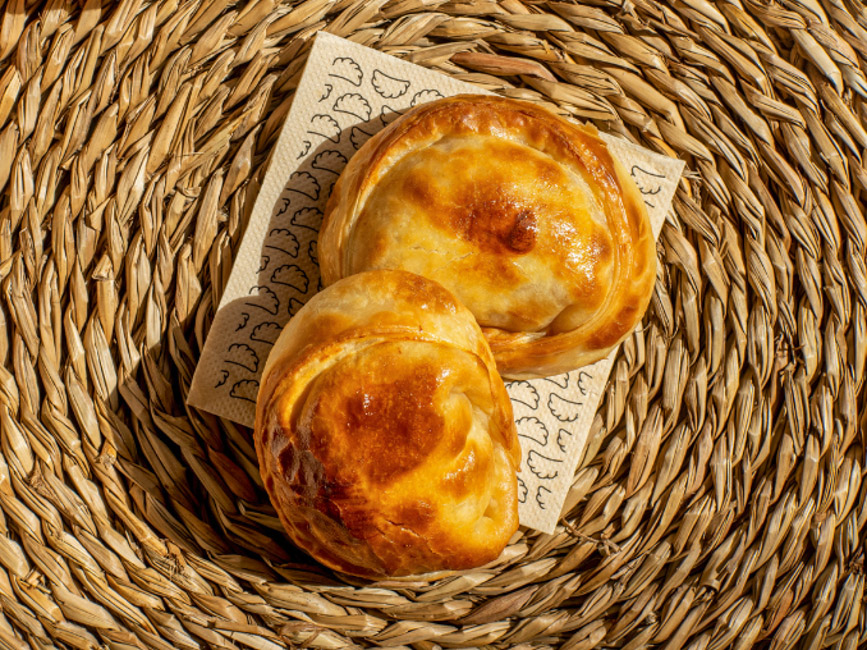
Blue cheese combined with mozzarella or creamy cheese, sometimes with caramelised onions.
9. Mushroom Empanada
Sautéed mushrooms with cheese, sometimes with garlic or cream cheese.
10. Vegetable and Ricota Empanada
Spinach or chard with ricotta, spices, and a hint of nutmeg.
Pastries can be puff or traditional Argentine-style dough, with the latter being more versatile.
As you can see, there are empanadas to suit every taste – from traditional favourites to the most creative variations.
Types of Empanadas by Cooking Method
Argentine empanadas can be distinguished by their cooking method, which affects their texture, flavour, and appearance.
While fried empanadas are the most common in Buenos Aires, baked ones are more typical in the provinces, whether cooked in a conventional oven or a clay oven.
1. Baked Empanadas
Baked empanadas are cooked in a high-temperature oven, resulting in a golden, dry exterior and a juicy filling.
Ideal for those avoiding fried foods. Most regional empanadas, such as those from Salta, Tucumán, and Mendoza, are baked.

2. Fried Empanadas
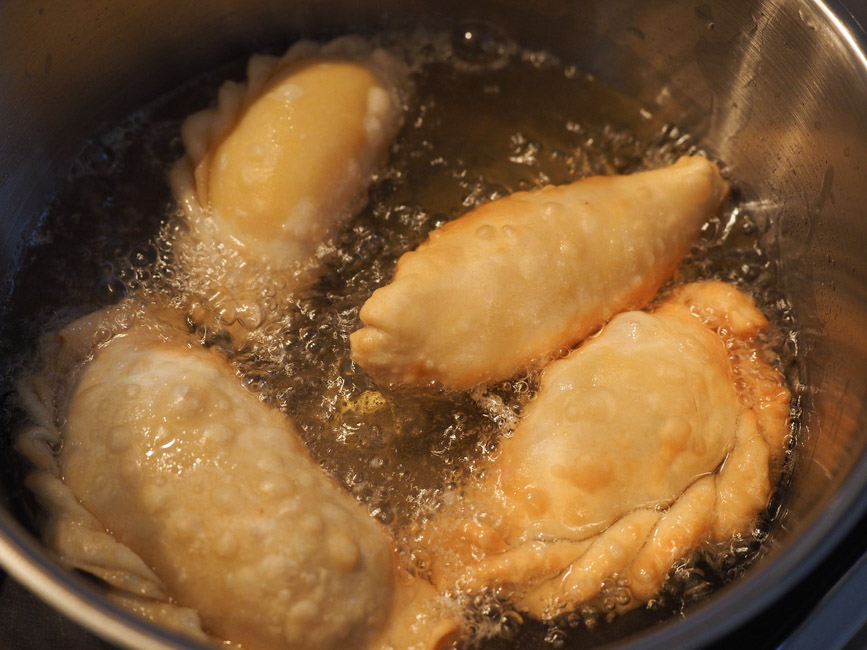
Fried empanadas are cooked in plenty of oil, resulting in a softer, less dry pastry.
They tend to be oilier but have a tender texture.
Popular varieties include meat, ham and cheese, and tuna.
3. Stoke – Baked Empanadas (wood – fired oven)
Cooked in a wood-fired oven, these empanadas have a crispy crust and a smoky flavour.
Commonly enjoyed in rural areas or restaurants with traditional stone ovens.
Ideal for fillings like meat, cheese, or humita.
The Origin of Empanadas
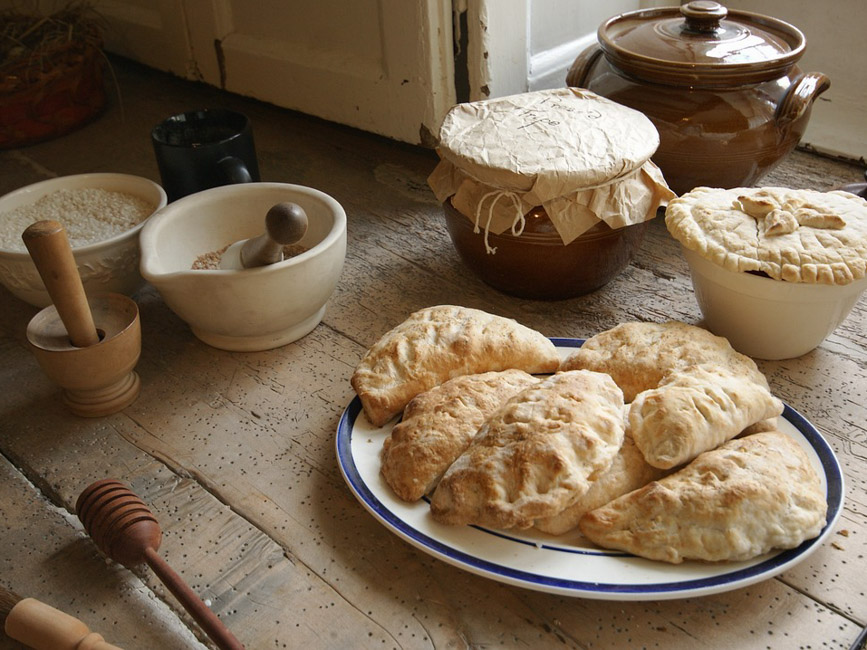
The history of empanadas dates back thousands of years. Ancient Egyptians and Greeks prepared similar dishes as early as 1600 BCE.
However, it was the Arabs who popularised empanadas. The concept arose out of necessity: they needed a food that was easy to preserve, transport, and eat during long journeys. This led them to wrap chicken or lamb in bread or dough.
Another theory traces the origin to Persia, where a similar dish called sambusa existed. This dish spread through the Ottoman Empire, reaching Spain during the Arab occupation. From there, it evolved and expanded across Europe and Latin America.
Celebrations and Festivals for Empanadas
In Argentina, Empanada Day is celebrated every 8th of April. Additionally, the National Empanada Festival takes place in September in Famaillá, Tucumán Province. During this festival, cooks from across the country showcase their skills and compete for the title of the best empanada of the year. This event attracts thousands of visitors and holds significant cultural value.
Empanadas Around the World
Although strongly associated with Argentina, empanadas have counterparts in many countries worldwide:
Chile: Traditional empanadas de pino are filled with beef, onions, olives, and raisins.
Spain: Galician empanadas are large pie-style dishes filled with tuna or cod.
Fun Facts About Argentine Empanadas
In some regions of Argentina, the first empanada out of the oven is given to a loved one as a gesture of generosity, ensuring food is always abundant at home.
Empanadas are the third most consumed dish in Argentina.
The “repulgue” (crimped edge of the pastry) is essential, as it identifies the empanada’s filling. Many shops provide a diagram showing which repulgue corresponds to each filling. To be considered “authentic,” an empanada should have 13 folds in its repulgue.
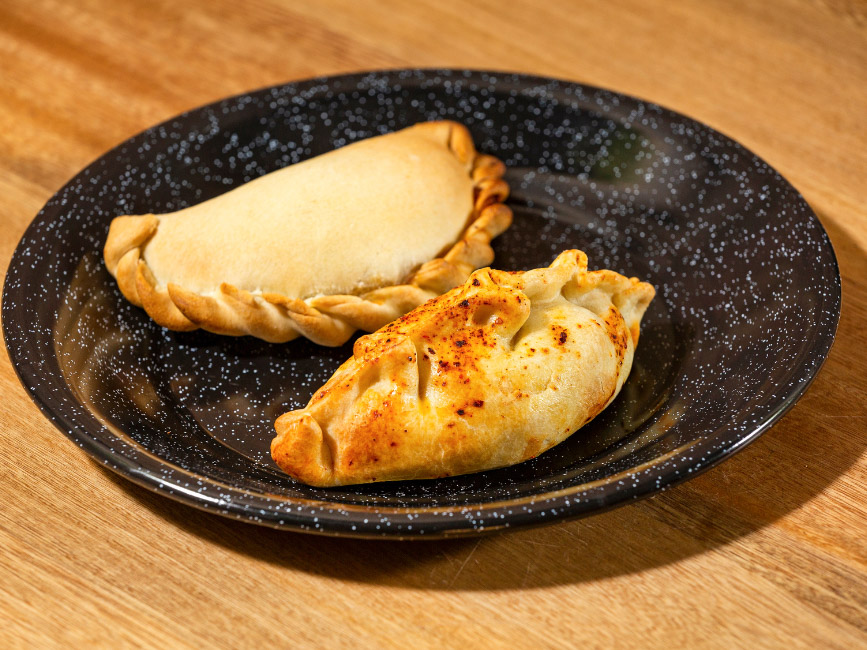
The word “empanada” derives from the Galician, Portuguese, and Spanish verb empanar, meaning “to wrap or cover with bread.”
According to a survey by Appyce (the association representing Argentine pizzerias and empanada shops), the most popular empanada flavour is mild beef, followed closely by ham and cheese, with chicken and knife-cut beef ranking slightly lower.
Suggested Activities Related to Empanadas
Premium empanada Cooking Class and Wine Tasting: Enjoy some of the best empanadas in the Palermo neighbourhood and learn to make them yourself. This is an intimate cooking class designed to teach you how to prepare traditional Argentine empanadas. Additionally, you’ll explore different grape varieties of Argentina’s finest wines, including Malbec, Cabernet Sauvignon, and Cabernet Franc.
Empanada and Alfajor Cooking Class in Palermo: Join a fun cooking class where you’ll learn how to make alfajores and empanadas. Discover the ingredients that make them so delicious while sampling local food and mate throughout the session.
Gastronomic Tour of Buenos Aires: Choose between the iconic San Telmo neighbourhood or trendy Palermo. Both tours include exquisite tastings at several restaurants, offering a chance to try some of the city’s most emblematic dishes.
Argentine Cooking Class with Full Meal: Prepare and savour a five-course Argentine meal featuring: A starter platter with homemade preserves, pickles, and local bread; Chipá served with BBQ and fermented hot sauce; Beef empanadas with chimichurri sauce; Gratinated humita stew;
Dulce de leche crêpes flambéed, served with ice cream and homemade limoncello; A vermouth cocktail. All dishes are paired with wines from Durigutti – Las Compuertas.
Are you ready to find your favourite empanada? With so many varieties—from classic Salteñas to innovative creations like mushroom or blue cheese – there’s sure to be one for you.
Now that you know their history, the secrets of their fillings, and the traditions surrounding them, which one tempts you the most for your next trip to Argentina?